

Saudi Arabia Hikes Oil Prices as Tensions Rise
Saudi Arabia's oil price increase raises concerns over the global energy crisis as the Iran war disrupts supply, pushing fuel prices higher worldwide.
Learn the impact of Saudi Arabia’s latest oil price hike on the global energy markets amidst rising Middle East tensions and the ongoing Iran conflict.
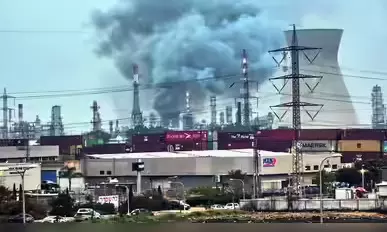
The global energy structure is facing a big shift as Saudi Arabia recently decided to raise the price of its signature oil for buyers in Asia.
This move signals a tightening grip on supply as the geopolitical instability drives prices to a record premium. The decision came at a crucial time when Middle East tensions are escalating, leaving investors and nations across the world on high alert.
The primary reason behind the price increase in Arab Light crude is the current Iran war. This war is causing major disruptions in shipping routes and oil production schedules. The uncertainty around the flow of energy from the region has sent tremors through the oil markets. It looks like one of the world's most vital energy corridors is under threat. The risk of a broader global energy crisis has become a central concern for economists and world leaders alike.
These high-level shifts are resulting in rising fuel costs at the pump and increased prices on everyday goods for consumers. Saudi Arabia is a leading oil exporter. Their pricing decisions set the tone for the rest of the industry. By increasing the premium on its oil, the kingdom is responding to a market where demand remains steady, but supply is increasingly fragile.
In summary, as the current Iran war conditions are quite unpredictable, the world will continue to watch how these energy giants navigate the chaos. As energy is becoming expensive due to regional conflict and strategic price hikes, it suggests that the era of cheap energy is temporarily over. Conflicts and market shifts are changing supply and demand so fast that staying informed about these developments is essential.





